Professional Water Damage Restoration: Why It Is Essential for Protecting Your Investment
Water damage poses significant risks that can compromise the value and safety of analysis a property. The structural integrity of a building may be weakened, and mold proliferation can create dangerous health concerns. Skilled restoration professionals serve a vital function in addressing these issues effectively. They employ specialized techniques and equipment to protect the building and those who inhabit it. Understanding the nuances of this process is imperative for any property owner. What actions must be taken to secure an effective restoration outcome?
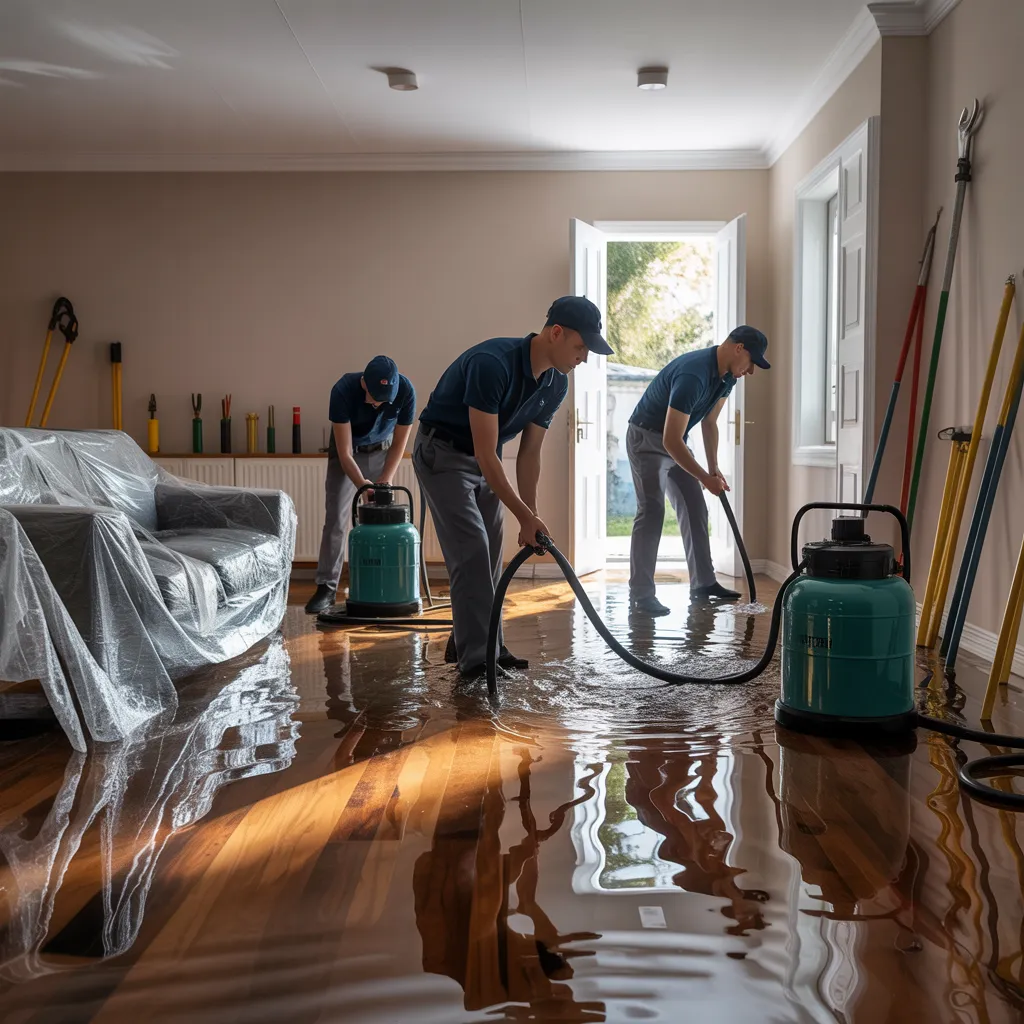
The Risks of Ignoring Water Damage
Neglecting water damage can result in serious repercussions, as the damage tends to escalate over time. Neglected leaks or moisture can lead to structural complications, compromising the integrity of walls, ceilings, and foundations. Mold proliferation represents an additional major hazard; it flourishes in moist conditions and can present severe health risks, encompassing respiratory complications and allergic symptoms. Additionally, water damage can diminish property value, making it less attractive to potential buyers or renters. The further the damage is left unattended, the greater the repair costs become, leading to potential financial strain for property owners. Electrical hazards can also arise, elevating the likelihood of fires caused by short circuits. At last, disregarding water damage not only compromises the structural integrity but also imperils the health of those living within and the financial commitment tied to the property. Understanding these dangers is critical for timely intervention and proper handling of water-related problems.
The Importance of Water Damage Restoration for Property Protection
Water damage restoration is vital in safeguarding properties from further deterioration. When water enters a structure, it can cause structural damage, mold development, and reduced property value. Prompt restoration works to reduce these risks by eliminating excess water and resolving damage quickly.
Neglecting to take action can lead to extensive repairs and increased costs. Additionally, the existence of moisture can compromise electrical components and pose health risks to residents. Expert restoration teams use advanced tools and methods to guarantee complete drying and sanitization, which are vital for keeping the space safe and habitable.
In addition, proper restoration work can maintain the structural integrity of the property, defending the owner's property investment. By making water damage restoration a top priority, property owners not only strengthen the longevity of their structures but also promote the general safety and well-being of their homes.
How Specialists Identify and Resolve Water Damage
After acknowledging the significance of swift water damage remediation, it becomes essential to understand how professionals assess and address the situation. To begin with, experienced technicians undertake a meticulous evaluation to identify the extent of the damage. They employ moisture detection equipment and thermal imaging to uncover hidden moisture pockets within walls and floors, ensuring that every affected area is thoroughly examined.
When the inspection has been completed, professionals classify the water damage by its type: clean water, gray water, or black water. This classification informs the appropriate remediation methods. Subsequently, they develop a tailored restoration plan, detailing the process of water extraction, drying, and sanitizing affected areas.
During the entire process, professionals prioritize safety, donning appropriate protective equipment and guaranteeing sufficient airflow. By utilizing advanced techniques and complying with professional industry standards, they effectively mitigate further damage and mold growth, preserving the safety of the property and its inhabitants. As a result, a structured approach is essential for successful water damage restoration.
The Importance of Advanced Equipment in Restoration
Utilizing sophisticated tools is critical in the restoration of water damage process, as it boosts the overall performance of remediation efforts. Heavy-duty pumps and dehumidifiers promote quick water extraction and moisture removal, decreasing the chance of continued deterioration. Infrared imaging devices allow professionals to uncover concealed water intrusion, providing a complete evaluation and treatment. These tools also facilitate exact assessment of temperature and moisture levels, critical for ideal restoration conditions.
In addition, advanced cleaning solutions and antimicrobial applications, delivered through advanced applicators, secure complete sanitation of affected areas. Employing such advanced tools not only speeds up the recovery process but also minimizes the potential for structural damage and health hazards. Adopting advanced restoration technology empowers restoration professionals to deliver superior results, preserving structures and defending the property owner's financial interest. Therefore, advanced equipment plays a pivotal role in achieving successful water damage remediation and restoration outcomes.
How Prompt Action Prevents Mold Growth
Swift action in the wake of water damage is critical in avoiding mold growth, an expected byproduct of extended exposure to moisture. When a structure is affected by water intrusion, it creates an environment ideal for mold spores, which can commence growing within 24 and 48 hours. The quickness at which the water is extracted and the space is dried significantly impacts the probability of mold formation.
Professional restoration services leverage advanced tools and methods to speed up this operation, guaranteeing that moisture levels are lowered quickly. This prompt action not only minimizes the health dangers connected to mold development but also safeguards the condition of the property. Postponing action enables mold to establish itself, resulting in significant damage and expensive remediation measures. By focusing on swift response, property managers can secure their investments and copyright a safe residential environment.
Important Tips for Picking a Restoration Company
What steps can property owners take to select the best restoration company? To begin, they should conduct thorough research on potential companies. Checking for certifications, such as those from the Institute of Inspection, Cleaning and Restoration Certification (IICRC), indicates professional expertise. Reviewing online feedback and testimonials can offer valuable information about the company's dependability and quality of service.
Next, homeowners should obtain comprehensive quotes from several contractors. This facilitates comparison of services, costs, and timelines, guaranteeing clarity. In addition, one must confirm that the company has proper insurance coverage, providing protection for both the owner and the workers.
Furthermore, assessing the company's response time is vital; swift action can reduce the extent of damage. Lastly, a reliable firm should provide a comprehensive work guarantee on their completed projects, demonstrating assurance in their capabilities. By following these guidelines, building owners can make informed choices and preserve their investments with confidence.
Saving Your Belongings With Professional Help
Once they have chosen a skilled remediation company, homeowners face the significant task of preserving their belongings from water-related damage. Professionals in water damage restoration use specialized tools and methods to quickly determine the degree of damage. They utilize advanced water extraction tools to extract surplus moisture, minimizing further deterioration of personal items.
Recovery specialists recognize the different materials of a wide range of belongings, from fabrics to electronic devices, and utilize tailored methods for each category. To illustrate, critical documents may be freeze-dried, while wood furnishings may be subjected to deep cleaning or refinishing.
Furthermore, trained restorers can locate underlying dampness that could lead to mold development, offering full protection for prized possessions. Through the expertise of skilled restoration professionals, property owners can enhance the possibility of saving irreplaceable valuables, safeguarding not only their material worth but also their sentimental value. At the end of the day, professional assistance plays a vital role in limiting damages and restoring peace of mind.
Frequently Asked Questions
How Can I Prevent Water Damage in My Home?
To avoid water damage in a residence, consistent care of plumbing systems, effective sealing of windows and doors, installation of sump pumps, and prompt attention to leaks can markedly reduce the risk of water-related issues.
What Are Typical Signs of Hidden Water Damage?
Key warning signs of hidden water damage involve mysterious mold development, water marks on walls or ceilings, bubbling paint, buckled flooring, and damp odors. Early detection is essential to prevent further structural damage and costly repairs.
Will My Insurance Plan Cover the Costs of Water Damage Restoration?
Water damage restoration insurance coverage varies depending on the policy. In most cases, standard homeowners insurance provides coverage for sudden and accidental damage, though coverage exclusions may exist for neglect or slowly developing issues. It is essential to review the policy details for a clear understanding.
How Long Does the Restoration Process Generally Take?
The remediation process typically takes anywhere from a few days to several weeks, determined by how extensive the water damage is, the size of the affected area, along with the effectiveness of the restoration team's response.
Is It Possible to Stay in My House During Restoration Work?
Remaining in a residence during restoration work is typically not advised. Risks such as mold exposure, dust, and loud equipment can create unsafe conditions. Homeowners should consider temporary relocation for safety and comfort during the restoration process.